


| Author(s) / Composer(s) Erik Satie | |
| Contributeur(s) Piano 4 Hands transcription: Jean-François Pailler | |
| Language(s) |
French |
|---|---|
| Collection | |
| Publisher |
Editions Bourgès R. |
| Reference |
EBRA108 |
| ISBN/ISMN |
9790560154534 |
| Instrumentation |
Piano Solo |
| Binding |
Stapled |
| Delivery method |
Digital format, Paper format |
| Publication date |
2023 |
| Weight (grams) |
100 |
| Format |
22,5 x 32 |
| Number of pages |
43 |
| Reference |
E208 |
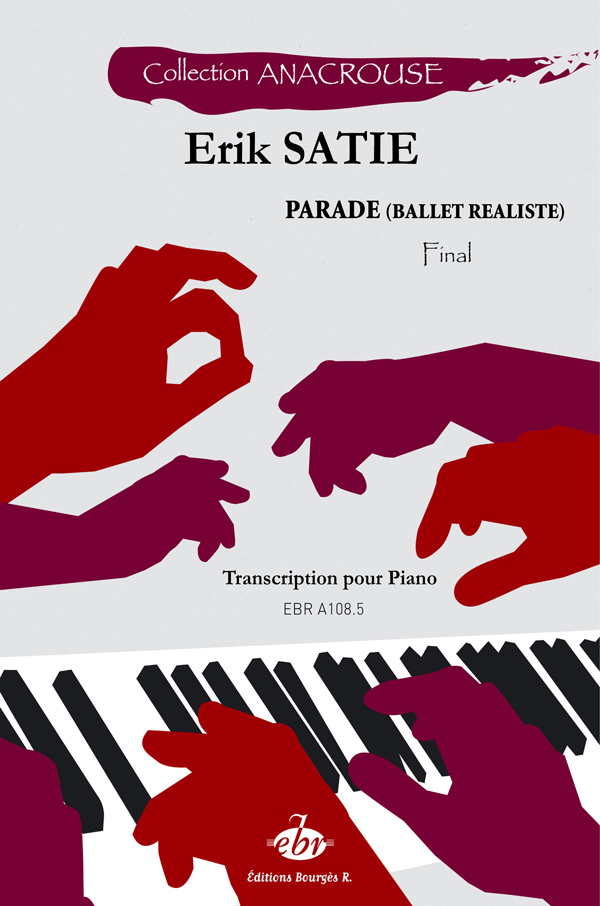
Erik Satie
Parade (realist ballet)The Anacrouse collection offers pianists, beginners and advanced alike, a wide choice of classical works from the Renaissance to the present day. It brings together major works of the repertoire as well as rarer pieces, and also offers transcriptions for piano solo or four hands, selected for their musical and educational interest. Each score, available individually, benefits from careful editorial work: a rigorously established musical text, clear and legible engraving, accompanied by a short biography of the composer and a note on the work.
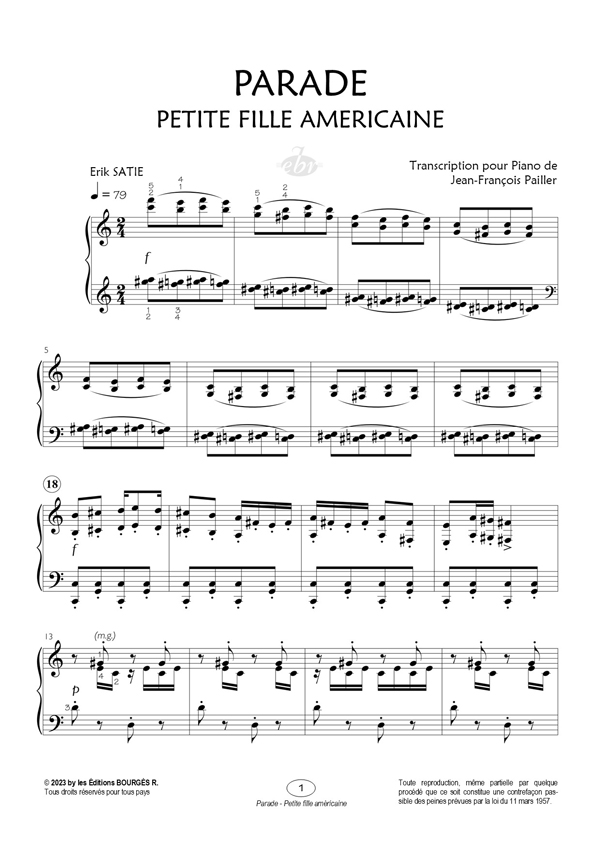
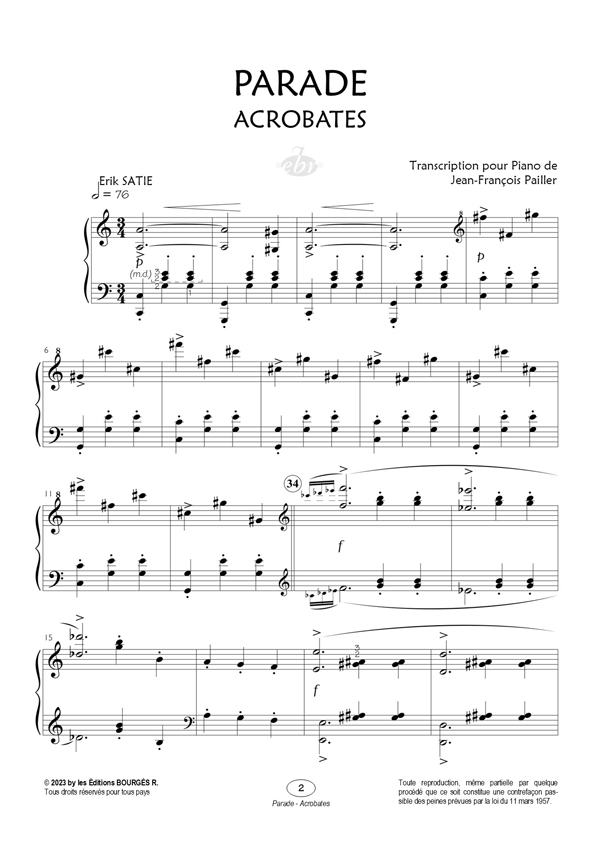
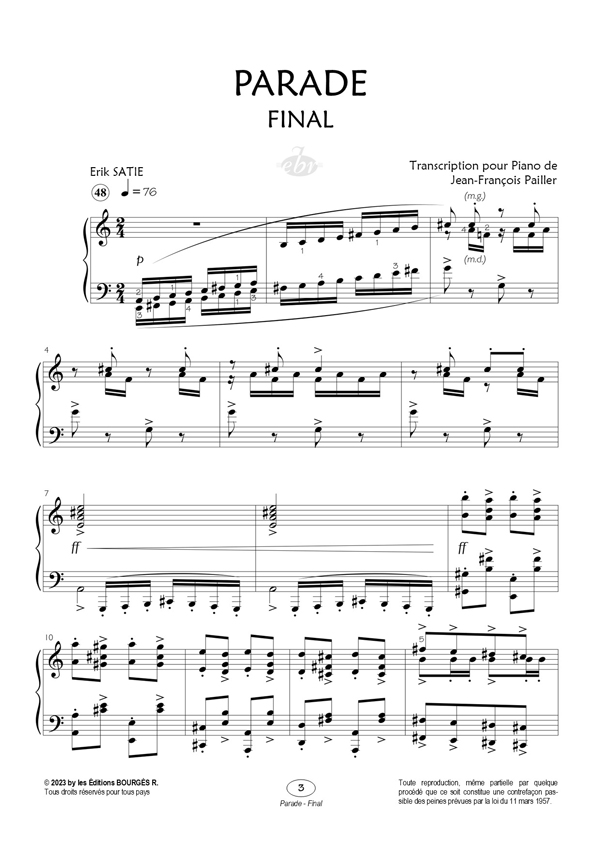
The solo piano transcription of “Parade” (realist ballet), made by Jean-François Pailler, is a feat of adaptation that manages to convey the raw energy and humour of Satie’s orchestra. The challenge for the pianist lies in rendering the original timbres: here the piano must become in turn percussion, siren or typewriter. The quality of this edition shows in precise fingerings, indispensable for mastering the leaps and complex rhythmic superimpositions, as well as in engraving of great clarity. The choice of typefaces and the airy layout allow a dense score to be read fluently, while the finely annotated dynamics guide the performer in handling the striking dynamic contrasts. This editorial work transforms a monumental orchestral work into a perfectly playable and effective solo piano piece.
Composed in 1917 by Erik Satie (1866-1925) for Diaghilev’s Ballets Russes, to a scenario by Jean Cocteau and with sets by Pablo Picasso, Parade provoked one of the greatest scandals in the history of music. This “realist” ballet marked the birth of the aesthetic of everyday life in modern art. Thanks to Jean-François Pailler’s transcription, the pianist can at last take possession of this avant-garde manifesto. This edition makes it possible to rediscover all the irony, rhythmic force and urban poetry of this Satie masterpiece, making accessible a page of history that seemed reserved for the orchestra pit.
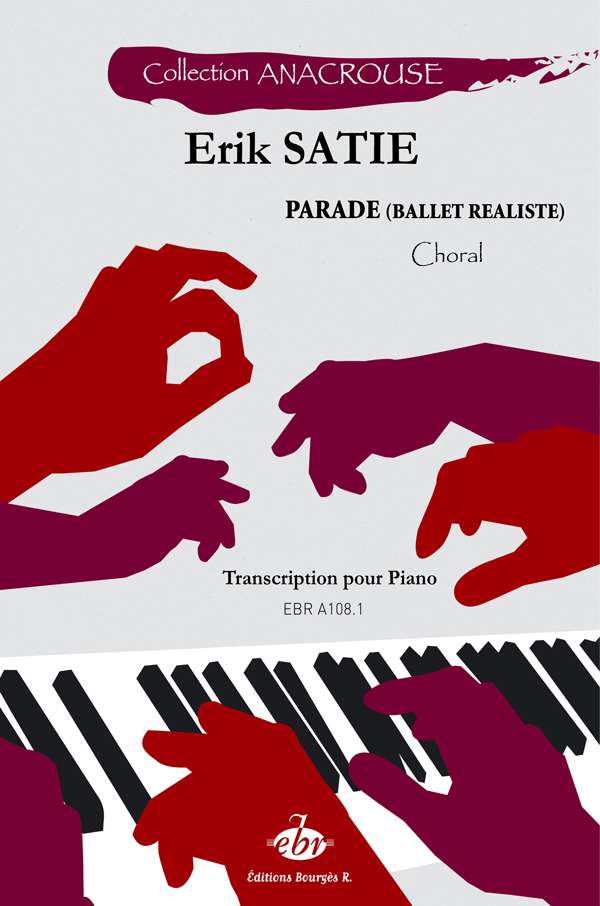
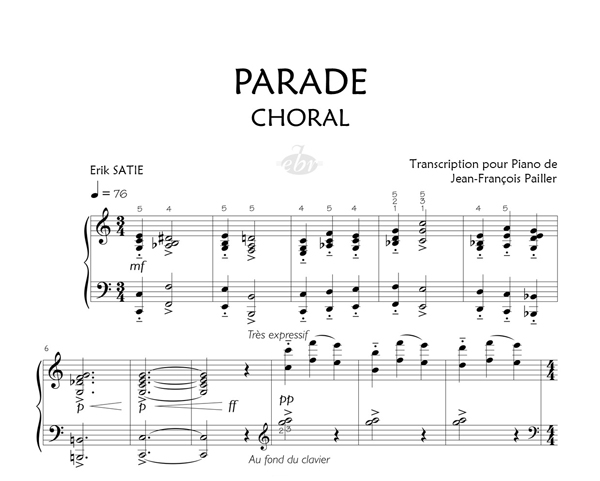
Choral
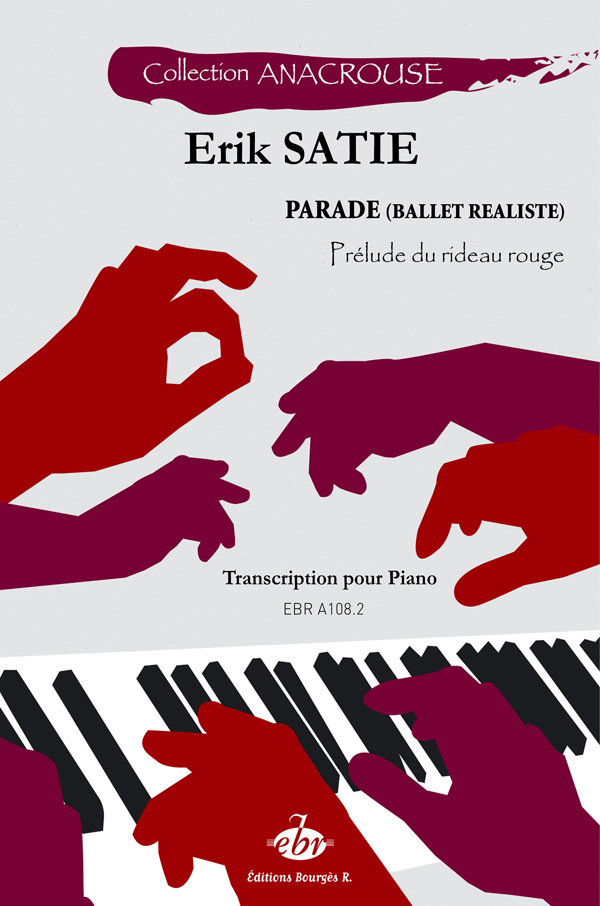
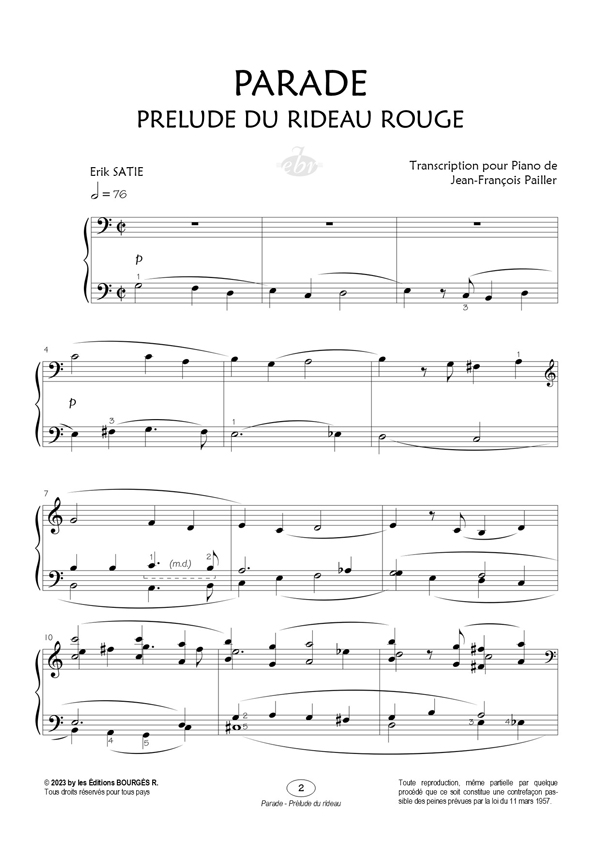
Prelude of the Red Curtain
Les managers
The Chinese Conjuror
Little American Girl
Steamship Rag-time
Acrobates
Manager
Final
Continuation of the Prelude of the Red Curtain